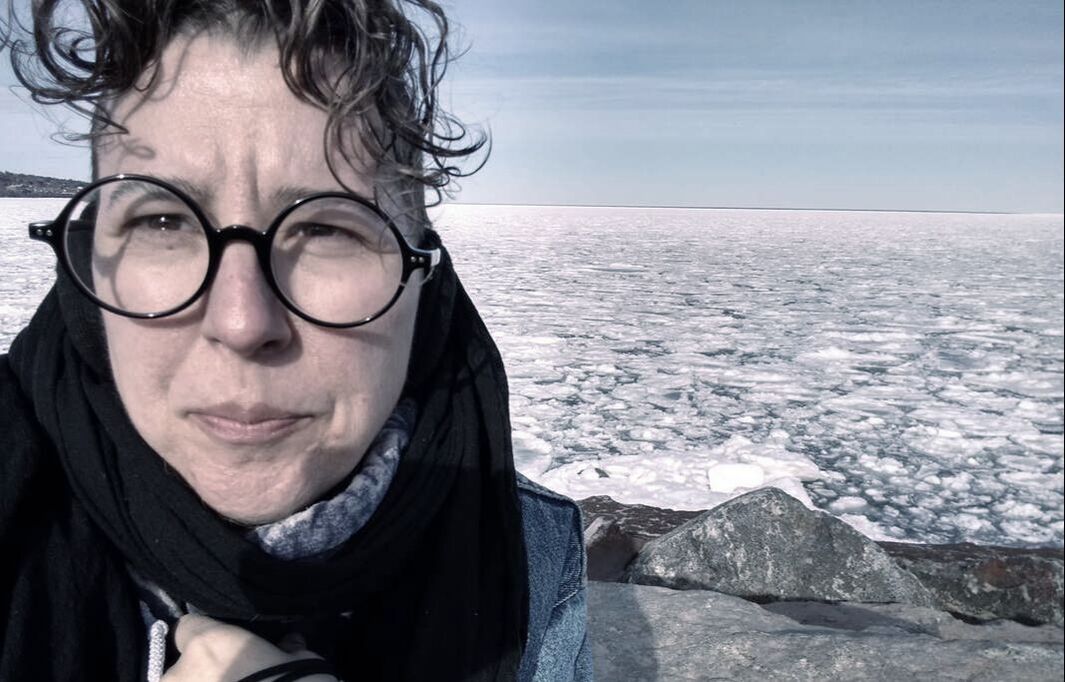
 Duluth, 2022 Hello friends & supporters,My draft has been titled January 2024 Newsletter, and I’m getting it in just under the wire! Hooray! I have quite a few things to share this month, several works in progress, and updates with my store and offerings. It has been over 100 days that the people of Gaza have been under siege, unbelievable numbers of people have been killed and injured by the occupying forces of Israel. Gaza is on my mind every single day, and I refuse to ignore the genocide that is funded and supported by our government. There are many resources in my previous December newsletter if you are still looking for ways to support. And hurray for Minneapolis for passing a veto-proof ceasefire resolution written by my former council member Jason Chavez! St. Paul - you’re up! If you would like to read more about how and why my most recent work POrTaLs (about living with Long Covid) includes a call to Free Palestine, I wrote about it on my blog (and on instagram). Currents Exhibition Come join myself and curator Drew Maude-Griffen at our open house on Saturday, February 3 from 1-3pm. At 1:30pm, Drew and I will have a discussion about the work. Register here. Some access notes: 1. The open house will have masks required and provided. 2. The open house is a fragrance free space. 3. Regarding air circulation: "The M’s HVAC system uses MERV13 filters, the highest-rated filter available. MERV13 filters are 90% to 98% minimum efficient at capturing particles. The air exchange rate is roughly 3/4 per hour, which is to say that in an hour roughly 3/4 of the air gets replaced with new air." 4. Seating will be available. I am hopeful that I will be feeling up for being there, participating in the panel discussion, and seeing you there! The Currents exhibition continues through February 25, 2024. New Cat Prints...and more!My new webstore has been keeping me busy. Thank you to everyone who has supported me with purchases or shared my store on your socials. I finished a few more abolitionist cat paintings at the end of the year, and they are now in the store. I am currently working on new cat paintings with messages that remind us to rest more, aka anti-capitalist cats. I've also been dreaming about how to include t-shirts and other apparel...Stay tuned! Also, I am working on new ceramic necklaces. The ceramic studio in the artist lofts I live in has *finally* been upgraded and our kilns are fixed! So I will be offering new necklaces soon. But I need to purchase kiln posts in order to finish firing them, so please buy one of the listed necklaces (or anything else!) so I can get the new ones going. I hope to be able to offer necklace commissions soon. New Class Coming Soon!Long Covid has made teaching impossible for the past year, which has had a huge impact on my income and is also deeply disappointing. I love teaching! I always learn so much from my students. It really feeds my soul. But I have a new idea that I could possibly continue teaching by creating asynchronous offerings. That way, I can incorporate the rest that I need as I create and deliver the curricula, as well as preserve my cognitive and physical energy by not also facilitating large-group meetings (despite the rush it used to give me, it’s a massive energy suck now, and I can barely last 5 min in that kind of setting - and I have found this out the hard way). So - if you are interested in helping me decide what kind of teaching offerings to create, please take this quick survey! No obligation to take or purchase the future classes, but I would love to know what skills either you want to learn or you think other folks might be interested in as well. Long Covid UpdateI’m working on some new writing, and I’m hopeful to collect my thoughts and experiences over the last 18+ months living with Long Covid to share with others. I am planning to publish them in pieces here on my blog as well as in a self-published ‘zine that will also include some of the artworks I have been creating. In particular, I want to share my story for others who may be wondering if they, too, are experiencing Long Covid. I want to share the treatments I have sought out (so many!) and what has worked for me and what has not. I am hopeful that it will be of some usefulness to others. I’ll be linking to these blogs in upcoming newsletters, so that you can read them if you are interested. Remember that there is no test for Long Covid, no approved treatments/cures, and little clarity on who is more at risk (over 1/3 of people with LC have no identifying risk conditions). As Dr. Ziyad Al-Aly said at the recent Senate hearing on Long Covid on January 18, 2024: "The best way to prevent Long Covid is to prevent Covid-19."
Take care of yourself and your loved ones. In love and solidarity, Kelley
0 Comments
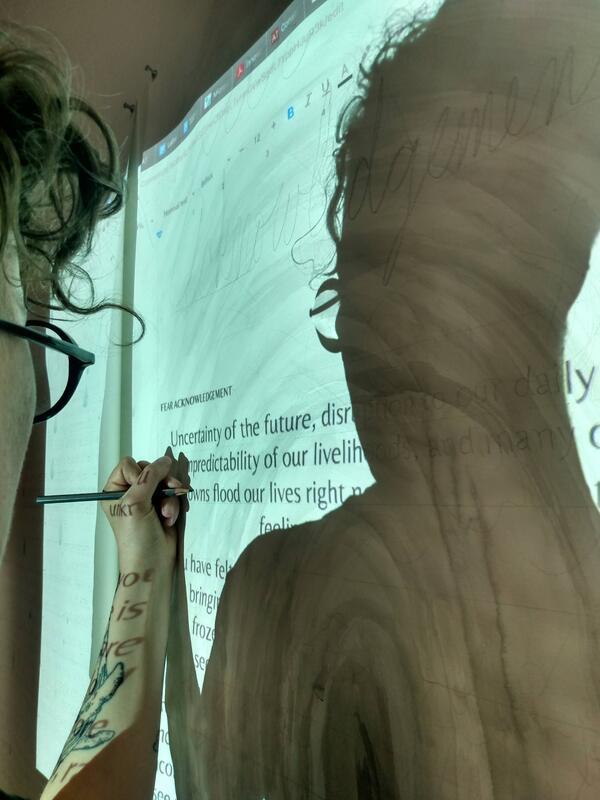
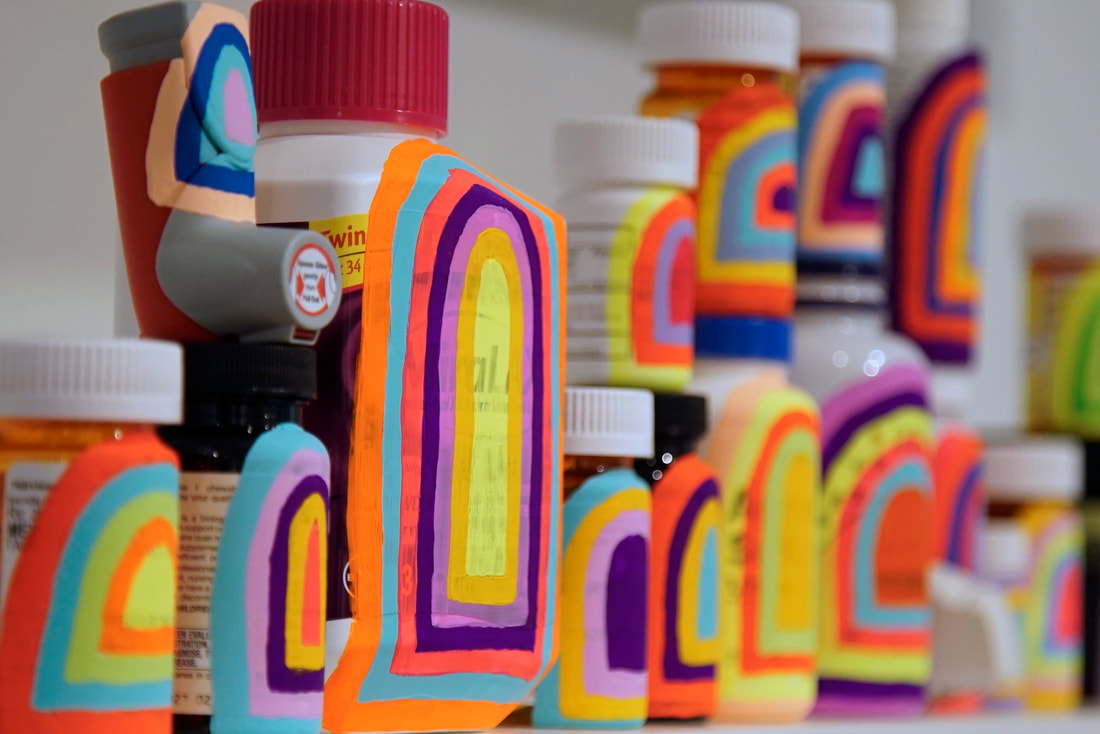 Photo by Drew Maude-Griffin I started painting these portals late last winter. It was around when I started some really critical medications & supplements for my long covid and when I was also the sickest. I wasn't sure if any of them were going to work, and a lot of the most useful ones needed to be slowly titrated up to the therapeutic dose. I'm nearly at the therapeutic doses, 9 months later, my baseline has definitely improved, but I'm still a far cry from where I was before I got covid. That being said, there aren't any medications actually FDA approved for my condition. A lot of these are experimental and/or off label, come with some pretty sucky side effects, and are pretty expensive (insurance doesn't cover everything). The portals were a way to process all of this. But I'm endlessly grateful for the privileges I do have, especially that I even have medical care available to me. One of the more insidious cruelties of the endless bombing, displacement, and cutting off from the rest of the world that the people of Gaza have experienced for the last 65(+) days is the subsequent and systemic lack of health care - from bombing hospitals and killing health care workers and sick and disabled people to the impossibility of getting much needed medications, anesthesia, medical supplies, etc into Gaza. Infections and disease are killing people, too. This is all part of the plan, this is how genocide works, and it is indisputably horrifying. Someone was comparing the events of October 7 to what happened here on Sep 11, and while they were talking about the horrors committed/witnessed in Israel, I think actually a clearer parallel lies in the responses. The xenophobic, nationalistic, revenge-filled hate towards a large group of people/country/religion and the inability to see the nuance that the "revenge" is so far out of line with what originally happened. To be clear, I don't condone revenge, I'm just working out the metaphor here. And of course, there are limits to the metaphor, and it doesn't quite align in the way that the people of Palestine have been living under apartheid oppression for decades and generations. My portals are a gateway, a transport to another dimension. Not necessarily one where I'm suddenly healed and "back to normal." 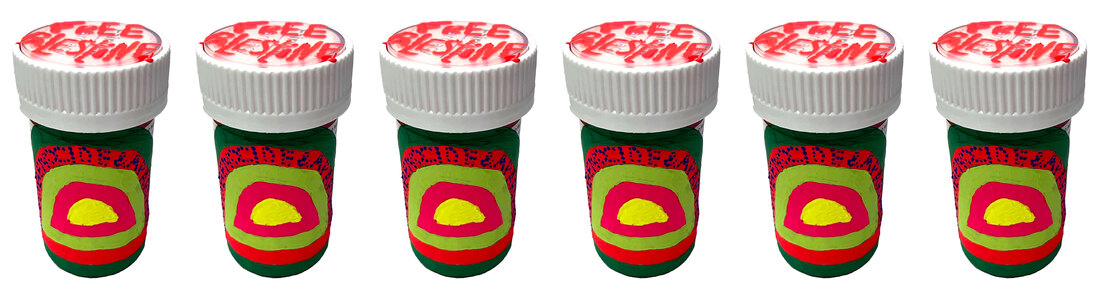 Free Palestine POrTaL - also reads: "End Genocide & Apartheid" in the watermelon "seeds" referenced in the color choice of this particular portal Free Palestine POrTaL - also reads: "End Genocide & Apartheid" in the watermelon "seeds" referenced in the color choice of this particular portal Regardless (and to paraphrase Nicki Kattoura's moving and heartbreaking Instagram post from December 10, 2023 - see below), every time I take my meds, I think about Gaza. It's the least I can do. We must sustain our horror and our hope for an end to this. And to all genocides. If this is the match that lit your flame of radicalism or if you've been burning long and hard, maybe for decades, don't let the cynicism, the comfort we have here, or the fear put out your light. Every time you find another comrade, the fire burns brighter. Someday our blaze will outshine the real terrorists: the war criminals, the nuclear zealots, the fascists, the oligarchs. My portals are a gateway, a transport to another dimension. Not necessarily one where I'm suddenly healed and "back to normal." Yes, in moments of despair and grief, I do want that, but in clearer moments, what I want is to exist in another dimension where my energy-limiting disabilities aren't a limitation but an adaptation or even an advantage. Where I can thrive at this slower pace. Where my disabilities become new abilities, and all the grief I have transforms into knowledge and wisdom. Through the portal, ableism is extinct, and everyone is valued and necessary and vital to creating a place that accommodates everyone. *This* portal, though, is a way to push those visions even further. Through this portal, there is an end to genocide and apartheid. Permanently, lastingly. Conflicts are resolved through reconciliation and finding shared understanding, not through war, terror, military might, and force. If you want to see this portal and the other 109 portals, they are on exhibition in the Currents: Adaptation, Brilliance, and Joy show, up through February 25, 2024, at the Minnesota Museum of American Art. 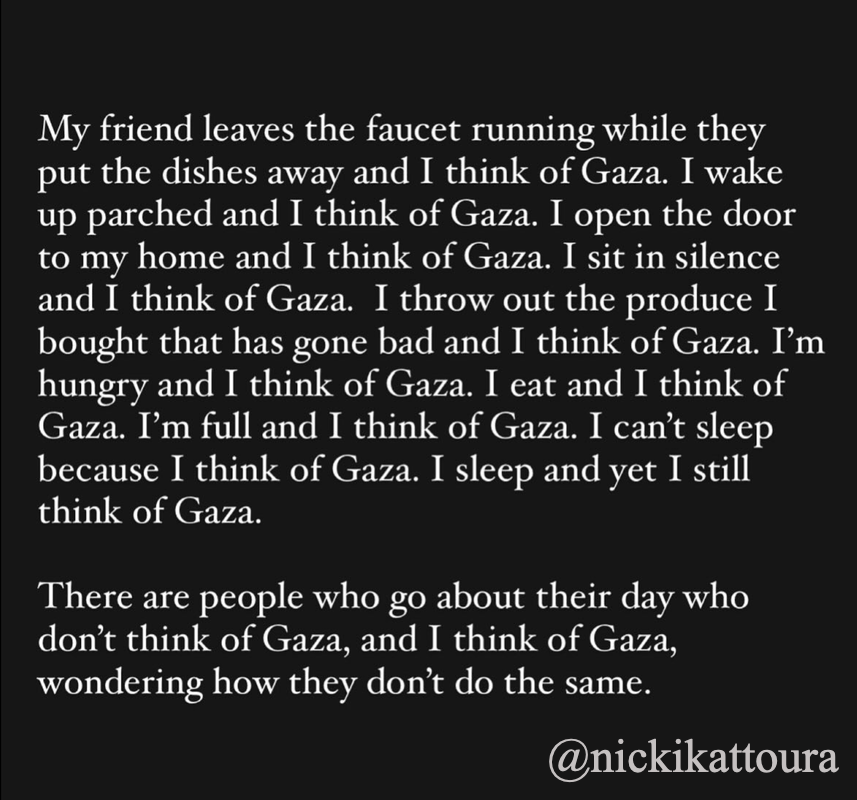 (Don't get my Newsletter? Click Here to Fix that!)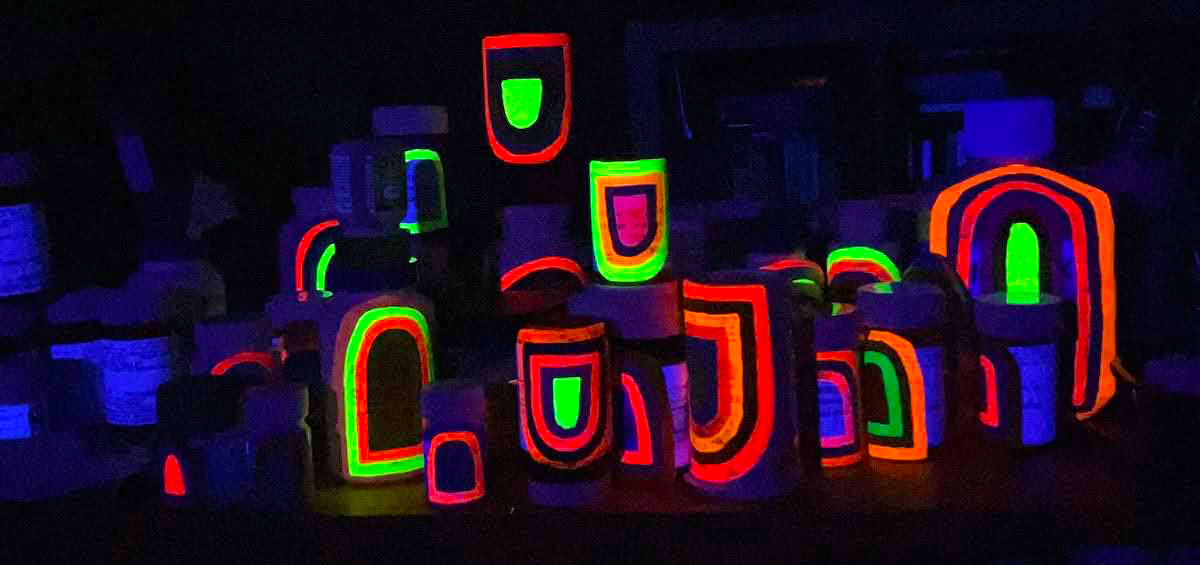 Hello friends & supporters, I have a few updates to share, but first, I know your heart has been heavy, too, these days as we bear witness to the tragedy of yet another genocide, this time in real time as the world is witness. I’ve been supporting Palestinian liberation for nearly 2 decades, but the horror of what I have seen these past 2 months has been beyond. I know as someone who hasn’t been able to engage in my usual forms of protest (feet in the street), it’s been hard to figure out where to put my energy. I’d like to offer you some ideas, feel free to share yours with me.
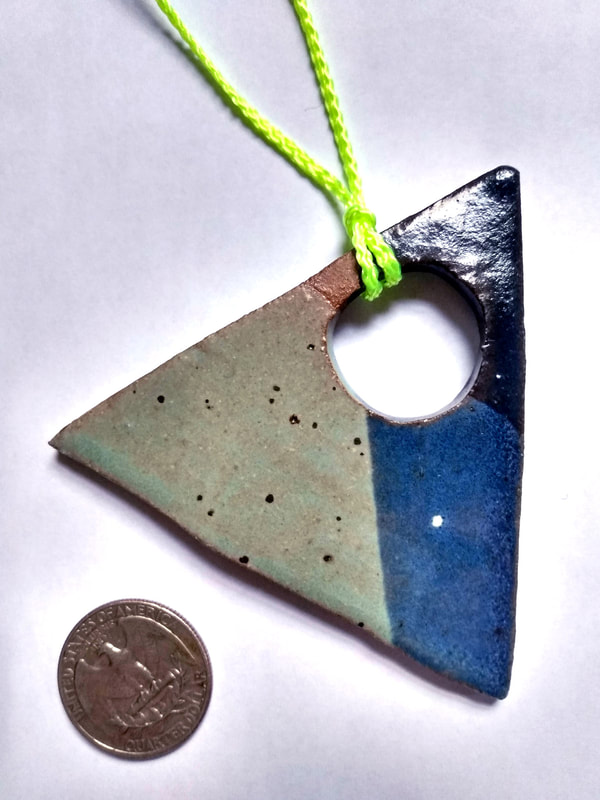
It’s also 2023, and I also wish for us that Covid-19 was as extinct as our government acts like it is. Unfortunately, it’s still thriving and mutating. As you likely know, I have Long Covid (read all about it in my last newsletter). I didn’t get Covid at the outset - I had just over 2 years (and 3 vaccines) before I caught it. But it changed my life completely. Not overnight, but gradually, over 6 months, I got sicker, more tired, and able to do less and less. It is from this tragedy/transformation that I have created my newest works, one of which you can see in person at the Minnesota Museum of American Art from December 7, 2023 - February 28, 2024 in downtown St. Paul. Working at a near glacial pace at times, I have been creating artworks from my bed and couch, painting portals of hope and healing onto all of my Rx and supplement bottles (110 at last count!). I hope that you will get a chance to see the work if you are in the Twin Cities - it’s a show that has been carefully curated by emerging curator Drew Maude-Griffen, and features 4 other disabled artists from the region, sharing our “adaptations, brilliance, and joy.” Relatedly, due to the Long Covid, I have been unable to work as a teaching artist (my main income for the past decade and a half) for much of this year or I’ve had to work in an extremely limited and/or modified manner. I’m not sure when or whether I’ll ever be able to return to that kind of work, hauling bins of art supplies around the state, facilitating creative experiences for 30, 60, sometimes 100! kids, teens, and/or adults at a time! It was joyous, inspiring, meaningful work, and I do miss it. But bills still need to be paid, especially my rent (both at my studio and my apartment). The combined rent alone is $1,750 (and 75% of that is my Section 42 rent-subsidized (!) apartment). I share this because I believe in financial transparency; I think our society does not talk about money nearly enough! I haven't yet pursued disability (it's a grueling, demoralizing, discouraging, red tape nightmare of the highest order, especially for those with long covid, as it's not an "official" disability, yet) and honestly, I want to work. Especially as an artist. Making art is healing, though I have to do it in pretty modified ways from how I used to. So one idea I have been working on setting up for months is to have a store on my website to sell art more directly. And I’m so excited for you to check it out! There are…
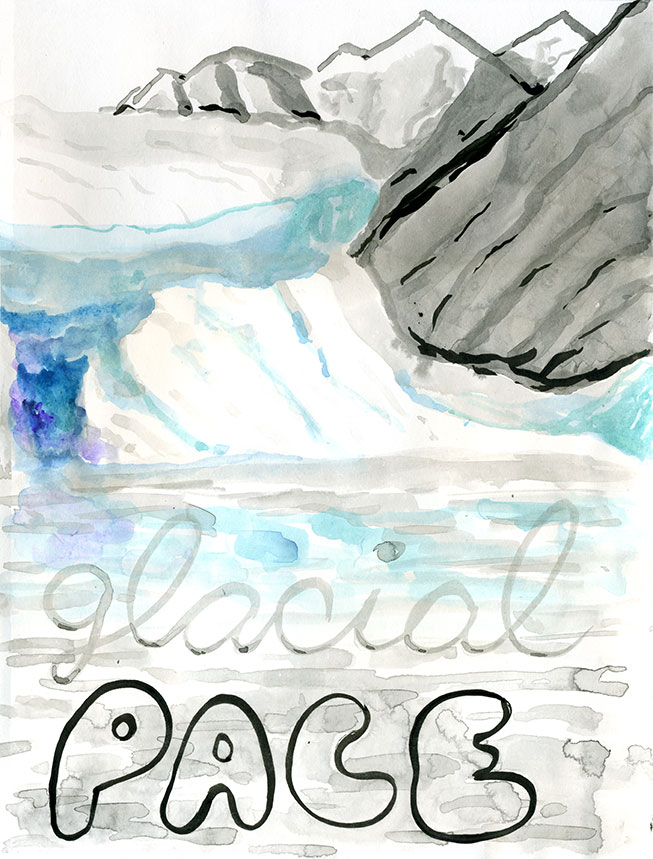
It would mean the world if you supported me in this effort by buying something, sharing about my work on social media or by sending it to a friend. Navigating this ableist world in a newly disabled body shows me over and over that we can’t do this thing called life alone. Community support is everything, and I thank you from the bottom of my big, huge beating heart for any and all support you have shown me over the last year and a half and going forward as I rebuild my life. I couldn’t have done it // can’t do it without so, so many of you. Take care of yourself and your loved ones. In love and solidarity, Kelley 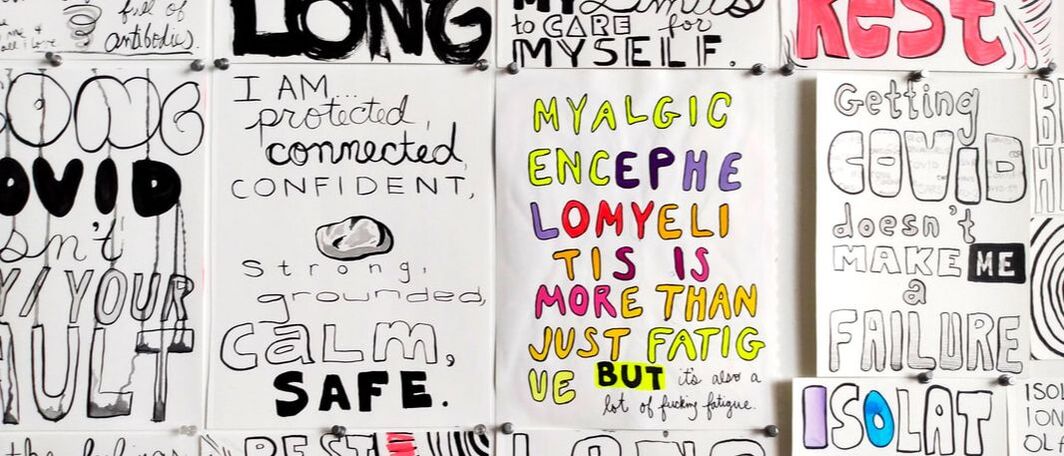 Click below to see a few of the items for sale on my website!  Travel through the portal with me. To my dear, dear friends, fans, supporters, advocates, and appreciators, I have both a lot to tell you and not much to say. It's a strange combination. TL;DR: I'm in an art show, I'm sharing research over zoom, and I have Long Covid. First off, there are 2 art things to mention: 1) I am in a wonderful group show (see below) in Minneapolis at Fresh Eye Gallery called "the bed beside me." This show is only up for 2 more days (today and tomorrow!). If you can make it over there, it's a really incredible show that has been thoughtfully and carefully curated by Drew Maude-Griffen. All of the artists in the show have created our works of art from our beds. And it is a special thing to me to be able to exhibit this work with this group of artists. Why am I making art from my bed and not my studio, you might be wondering. Well, I'll get to that soon, I promise. 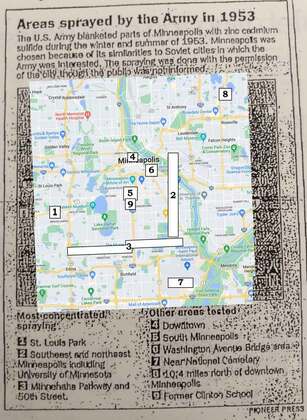 2) I am doing a research share out in just a couple weeks on Monday, June 26 at 7pm CDT. In this virtual presentation, I will be sharing out about the research I did this past year and a half on these secret government tests that were conducted here in Minneapolis and in my hometown of St. Louis and elsewhere in the 1950s. I would love to see your face beaming back at me while I talk about radiological weapons, Cold War secrecy, ethically fraught human tests, and how this all still reverberates today as we have seen in the myriad responses to the COVID-19 pandemic. More details about how to join the zoom at the bottom of the email. Ok! Now that we have got the big art things on the table, I want to talk to you about some harder things. But I'm not sure how to say it. Do I list all my new diagnoses or symptoms for you (it’s Long Covid, in a nutshell, but also it’s myalgic encephalomyelitis / chronic fatigue, fibromyalgia, orthostatic intolerance, asthma, and sleep apnea)? Do I try to tell the story in a linear way or do I stick to the present moment? Do I share with you the hardships, the supports I’ve received, or skip that stuff altogether? I don’t know. And that’s partly why this newsletter didn’t get to you in a timely manner, in a way that gave you more time to see the art show I’m in. But it’s also just that everything in my life is moving at a g l a c i a l p a c e right now. And at times, I can accept that, but I also feel incredibly frustrated by it a lot of the time as well. For people who have diagnoses like mine, the medical industrial complex doesn’t really know what to do with us. Thankfully, I have had to suffer a lot less gaslighting and disbelief than other people who had post-viral illnesses pre-Covid or who have to also suffer the racism of our medical system or who are unlucky enough to be living in a deeply covid-denying area. Despite this, I am still sick 13 months after first my Covid-19 positive PCR, still sick even though I had 4 vaccines in my arms before getting sick and one since, still sick even though I’ve been to over 100 doctors visits, so many types of therapy, and “alternative” treatments. I also went from working as a teaching artist with the Science Museum of MN, Eagan Art House, and COMPAS to working from home as a curriculum designer to not working at all. I joked that going to doctors visits was a part time job, but in reality, getting better became my full time job. And while I am still sick, I am also feeling better. Is it because my schedule is 10% of what it once was? Is it because I’m finally “pacing” my life the way my Occupational Therapist instructed me to do a year ago - which truly took months and months to actually figure out how to counteract my incredibly honed ability to push through? Is it the medications, the bodywork and acupuncture, and the CPAP-machine assisted sleep? Who fucking knows. But I can appreciate that I can sit in front of my computer again for an hour or two and work on writing this without it making me sicker. I have other thoughts to share about this journey I’m on - like how it feels to have a diagnosis (ME/chronic fatigue) that was the brunt of jokes throughout the 90s and that I absolutely did not understand until I couldn’t move my body at all, even to get out of bed. And how it feels to be newly disabled and what that means for my art practice. And how much - oh so so much - I have to learn about my own internalized ableism and how incredibly lucky we are to live in a post ADA time that disabled people organized and fought so hard to achieve, and yet, it’s also still incredibly difficult to be a disabled person in our society. So I’m proposing that I am going to do more of these newsletters. I’m feeling jaded about social media (who isn’t?), and after these last few deeply isolating years, I want to find ways to make authentic connections again. I also feel excited to tell you about what I’m thinking about, researching, making, and offering. I’ve got lots of ideas cooking, but it’s the slow cooker version of my life, so it will take some time. If you’ve read this far, I’m really impressed. And if you want to reach out to me just to say hello, that would be amazing. I was reading over who opened this newsletter when I sent it out last summer, and it really warmed my heart to see so many names on there, including people from all over the country, artist friends I’ve met on residencies, old pals and profs from college, and the incredible amount of friends I have who are not on social media! I’ve been reading Shoshana Zuboff’s The Age of Surveillance Capitalism for the last few years (it’s a serious tome, y’all!), and I commend all of you who have resisted or let go of the tentacles of Meta and its ilk. Tell me your favorite thing about it, I truly want to know. In love and solidarity, Kelley 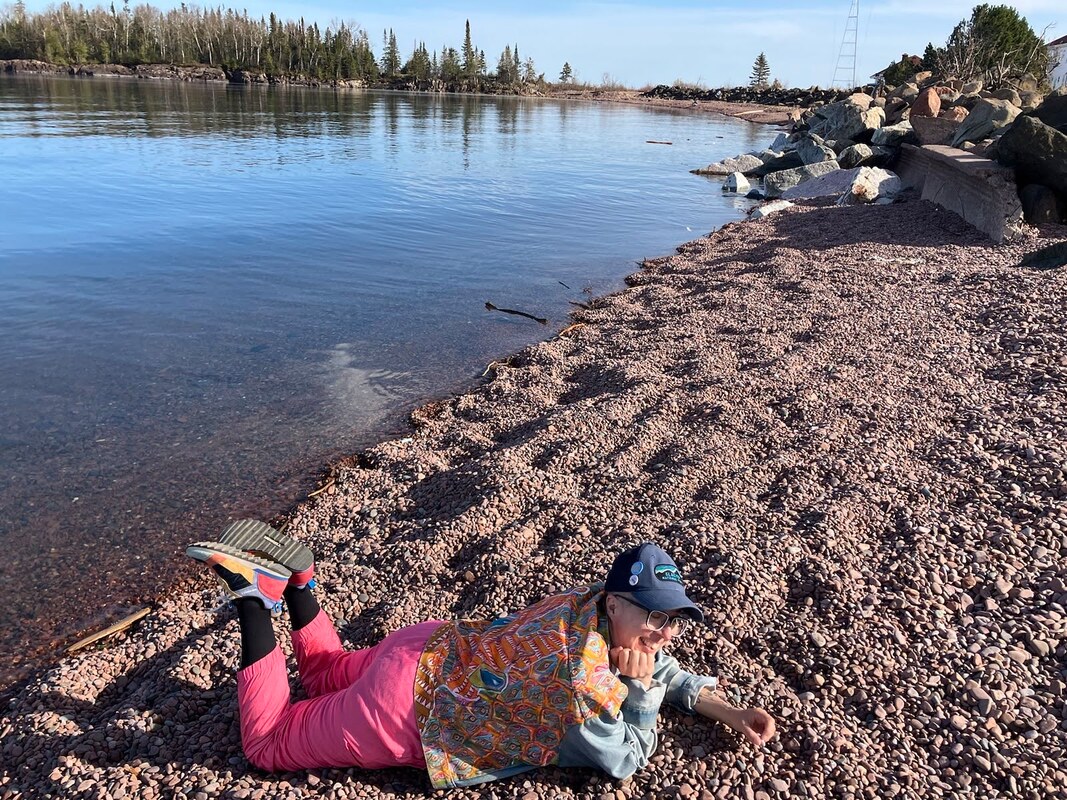 On the shores of Gitche Gummii (Lake Superior) in Grand Marais, MN 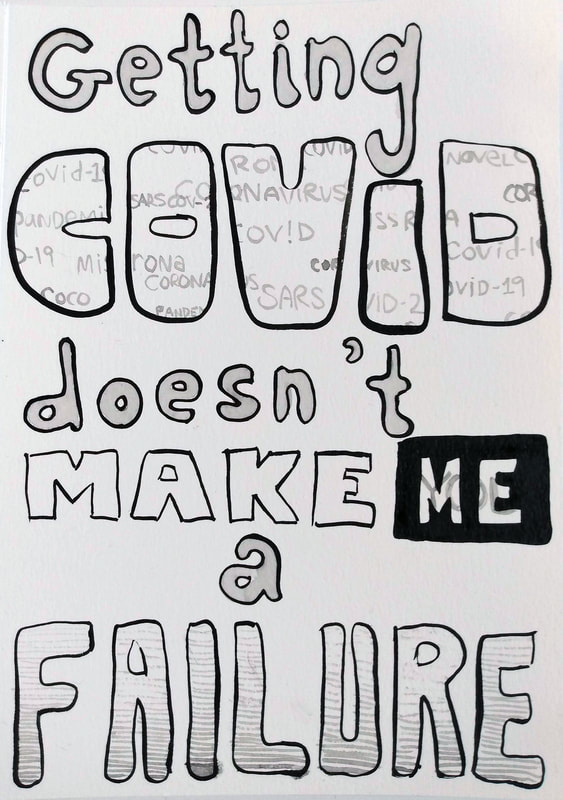 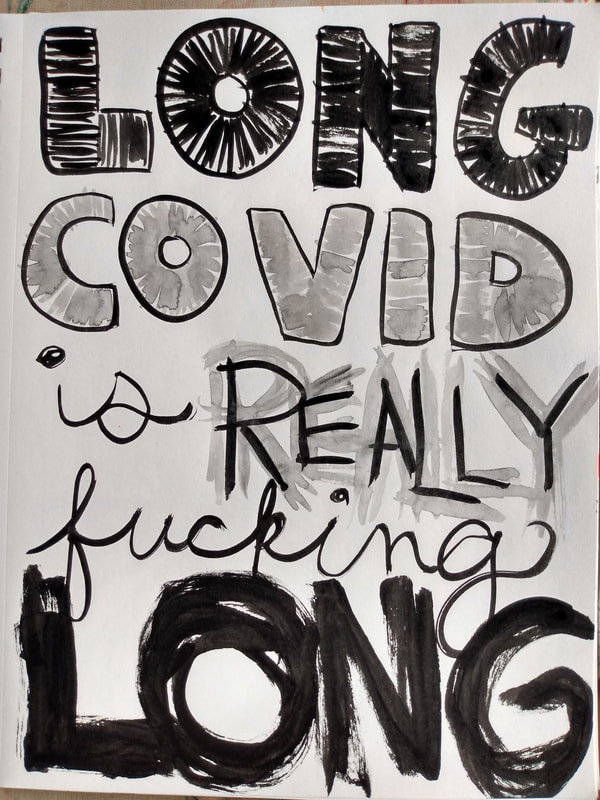 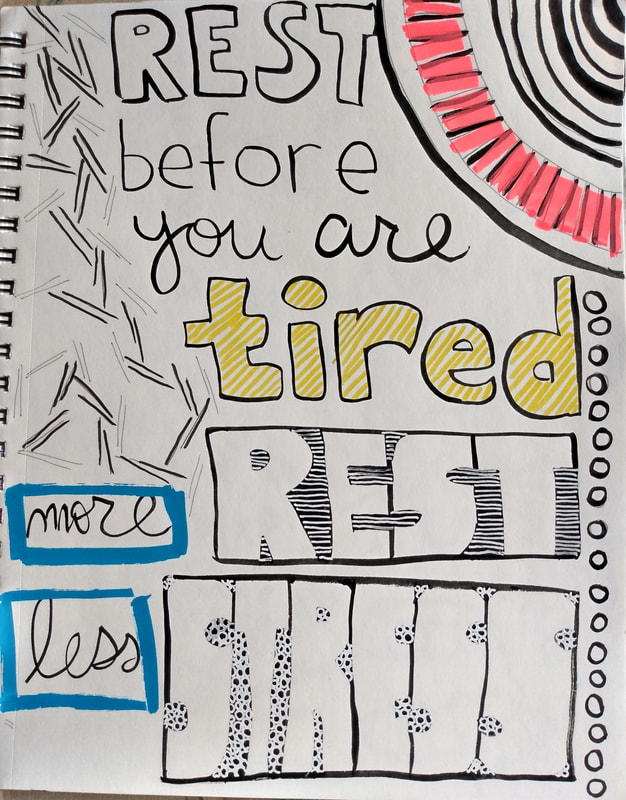 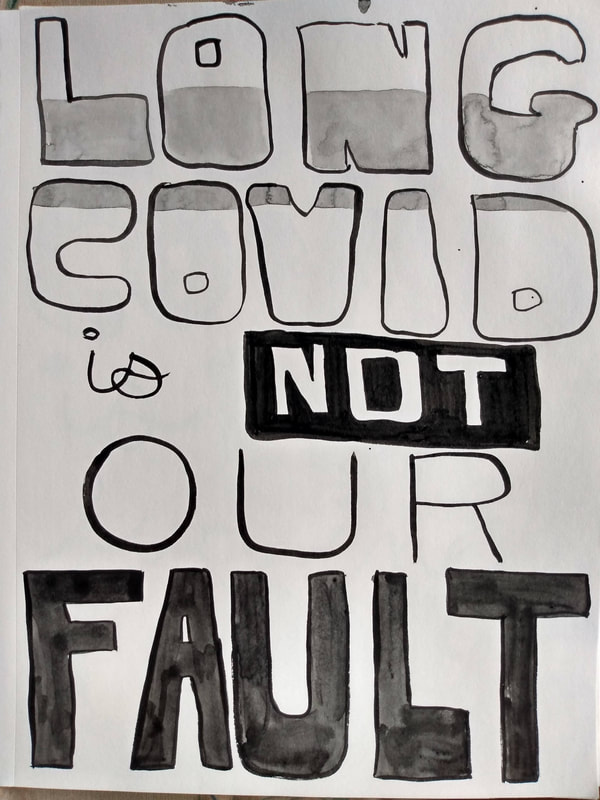 Opening April 3, Hair + Nails Gallery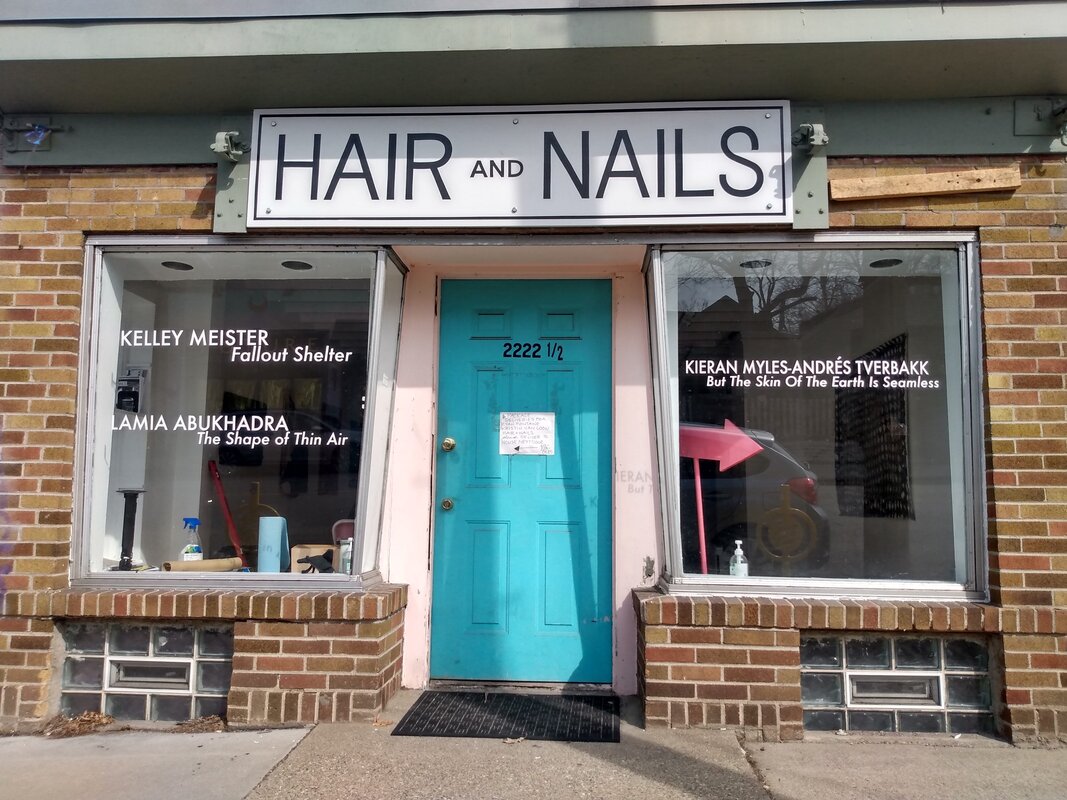
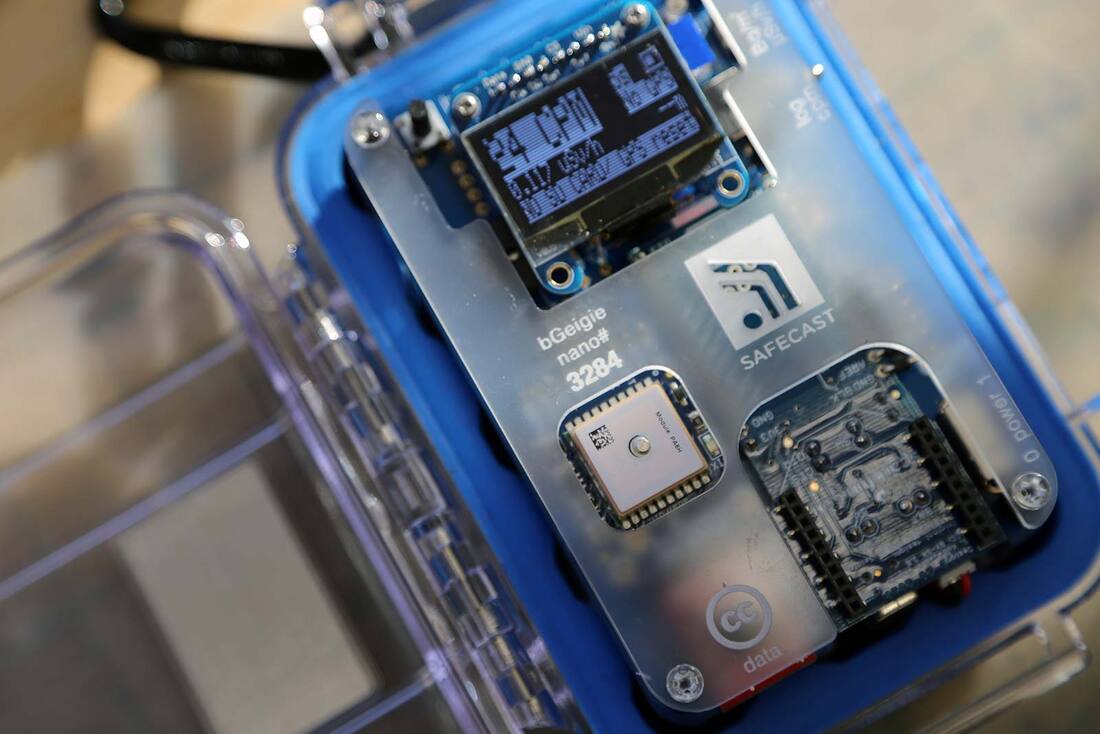
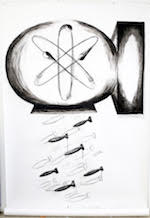
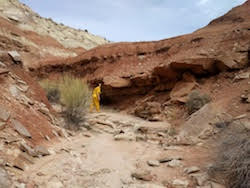
Come see my new installation, Fallout Shelter. The show will run from April 3 through May 1. Upstairs are fellow artists Kieran Myles-Andrés Tvebakk and Lamia Abukhadra. Look for my encompassing, subterranean experience in the basement of the gallery. Fallout Shelter | Kelley Meister April 3-May 1, 2021 Basement Gallery Hair + Nails Gallery 2222 E 35th St., MPLS, MN 55407 Other Artists Exhibiting on Main Floor: Kieran Myles-Andrés Tverbakk Lamia Abukhadra Opening Reception: Saturday, April 3, 7-10pm Open Hours: Sat/Sun 1-5pm or by appointment: hairandnailsart@gmail.com Covid Precautions: Masks required! Limit of 10 occupants in gallery HEPA air filters in all rooms of the gallery Backyard open for masked social distancing hangout during opening while waiting for limited entry into show Accessibility: The exhibition is on two floors. The main floor is wheelchair accessible. The basement exhibition space is reached by 12 wooden stairs. Images and descriptions of the basement portion of the exhibition are provided. A single-stall ungendered bathroom is located in the basement. On Wednesday, April 14 and Tuesday, April 20, I will be hosting a Live Virtual Visit at 6pm CT for anyone who wants to experience the show virtually with me. I will provide a gallery tour of the space and answer any questions. Please fill out the registration form here to attend and let me know of any accommodations you will need. "Meister's work makes visible the invisible, and while many of the topics feel terrifying, the artist also wants people to feel connected and empowered through community engagement." - Alicia Eler, Star Tribune Upcoming: Art(ists) on the Verge Summer 2021 Postponed from 2020, the 10th Art(ists) on the Verge cohort (Candice Davis, AP Looze, Kelley Meister, and Sarah Nassif) will present our work this spring and summer. My mobile experience, Hot Zone, a 100-mile bike ride from Monticello Nuclear Generating Plant to Prairie Island Nuclear Generating Plant along Hahawakpa/Misi Ziipi/Mississippi River will take place in 3 segments on Saturdays throughout the summer. Participants may join up to ~15 total for each ride (TBD due to social distancing and other COVID restrictions at the time of the ride), all others will be invited to watch via live stream. We will be doing environmental monitoring of the river valley, using radiation monitoring equipment as well as our eyes, hands, and phones to draw and photograph our observations of the flora and fauna along the way. Stay tuned for more details about how to join and/or watch! And please get in touch if this sparks any interest! 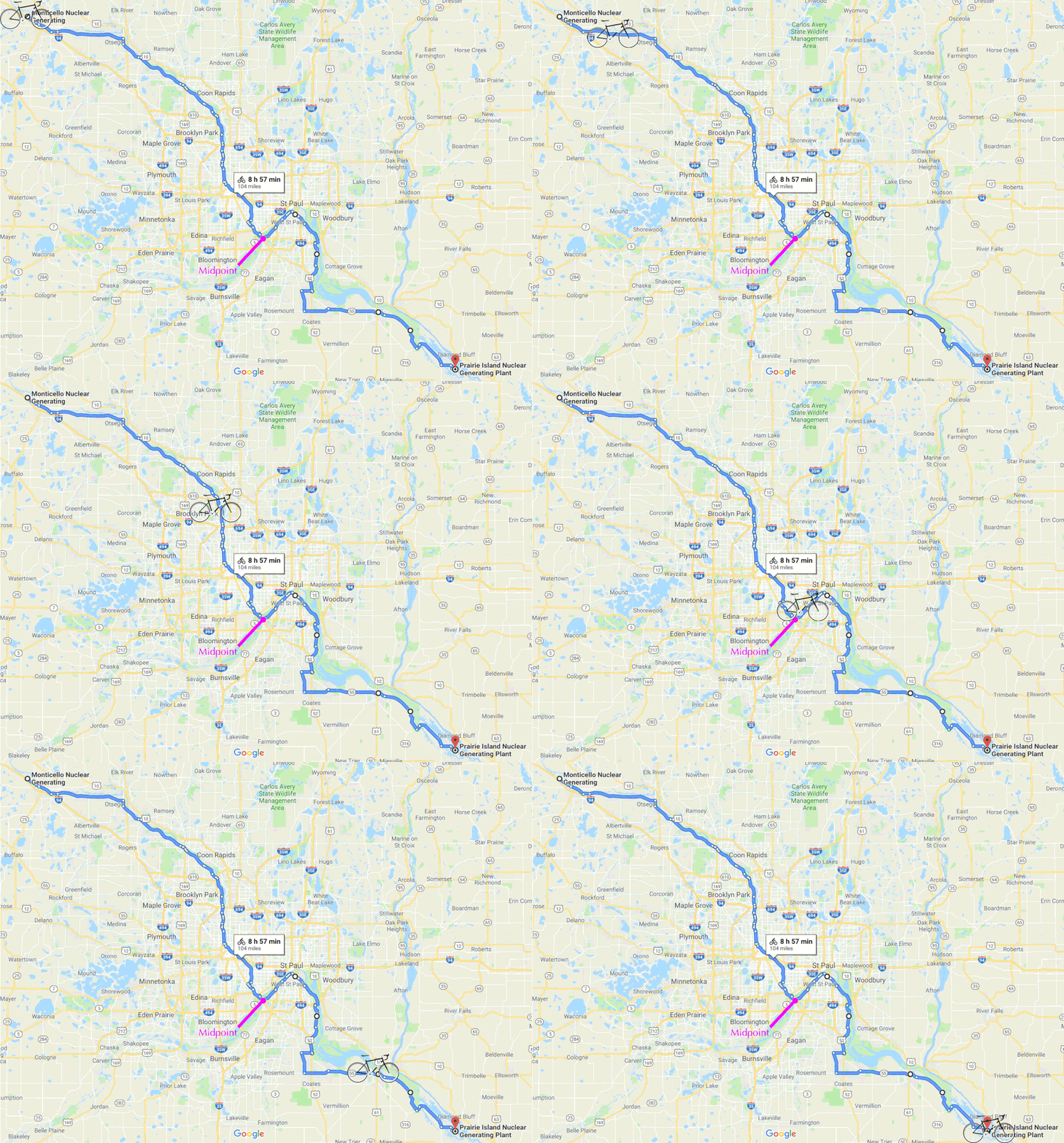 Beaming at you from the southern shores of France in the small ville of Cassis. The sea is captivating. Look! See more about my residency here > Camargo Foundation <
Beaming at you from the future to a point in the past to talk about my September 2019 artist residency at the Anderson Center in Red Wing, MN.
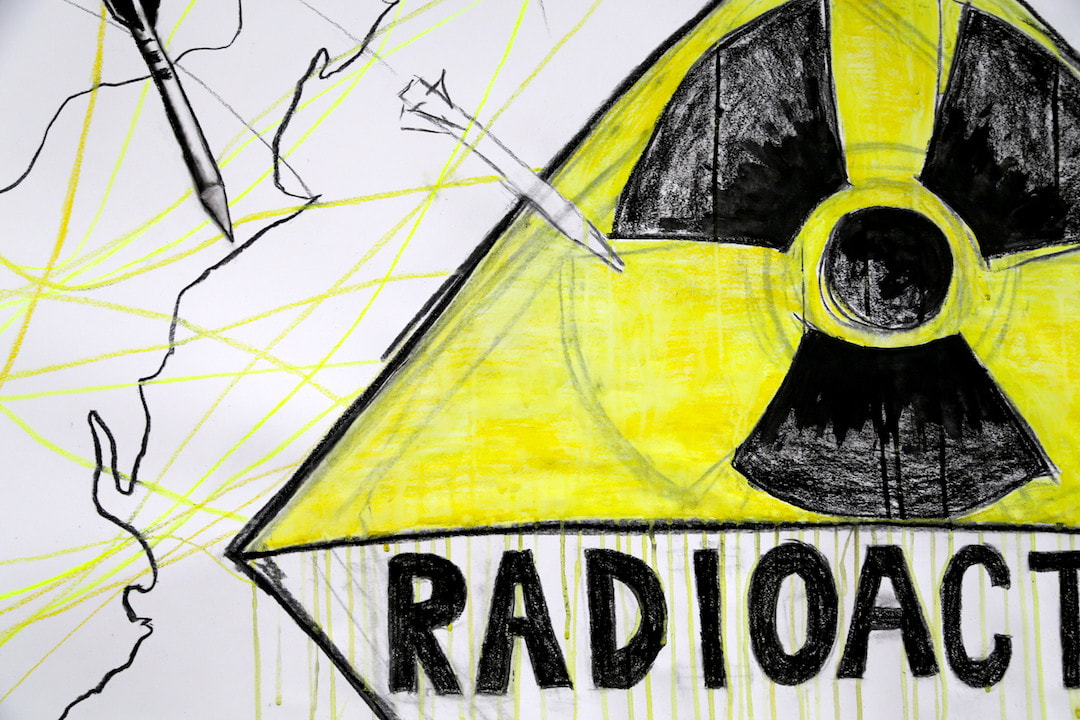
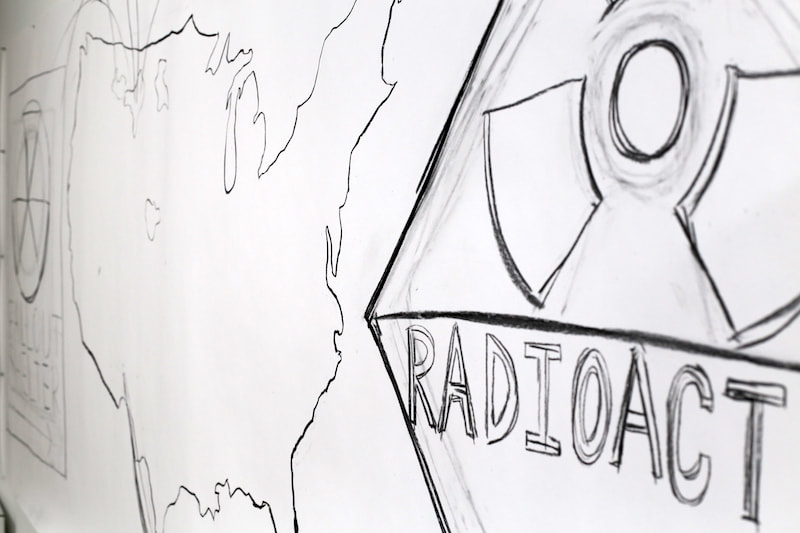
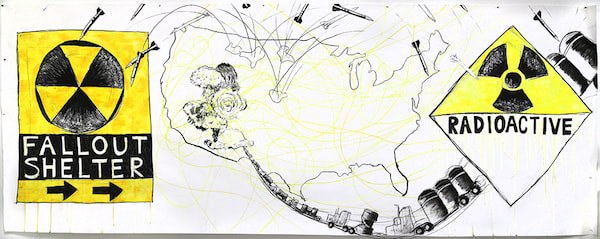 Radioactive // Fallout Shelter 2018 12’ 9” x 5’ Charcoal, pastel, colored pencil, and ink on paper In case you missed it, I've got big, big drawings up at 801 N Washington Ave. in Minneapolis. I'm really proud of these giant drawings, and I really want you to get to see them in their giant glory! They're all part of my larger project, Last Vacation Before the End of the World, which is a multimedia exploration into life in the nuclear age. 801 Gallery doesn't have open hours, so if you want to come see my work (and the other 3 artists: Jaffa Aharonov, Josie Winship, and Marc Lamm), here are your options:
P.S. All work in the show is for sale!
At least It's Not a Nuclear Winter...
Come out, come out, this Saturday to see my new drawings! (SCROLL FOR DETAILS)
Find out why I'm erasing so much!
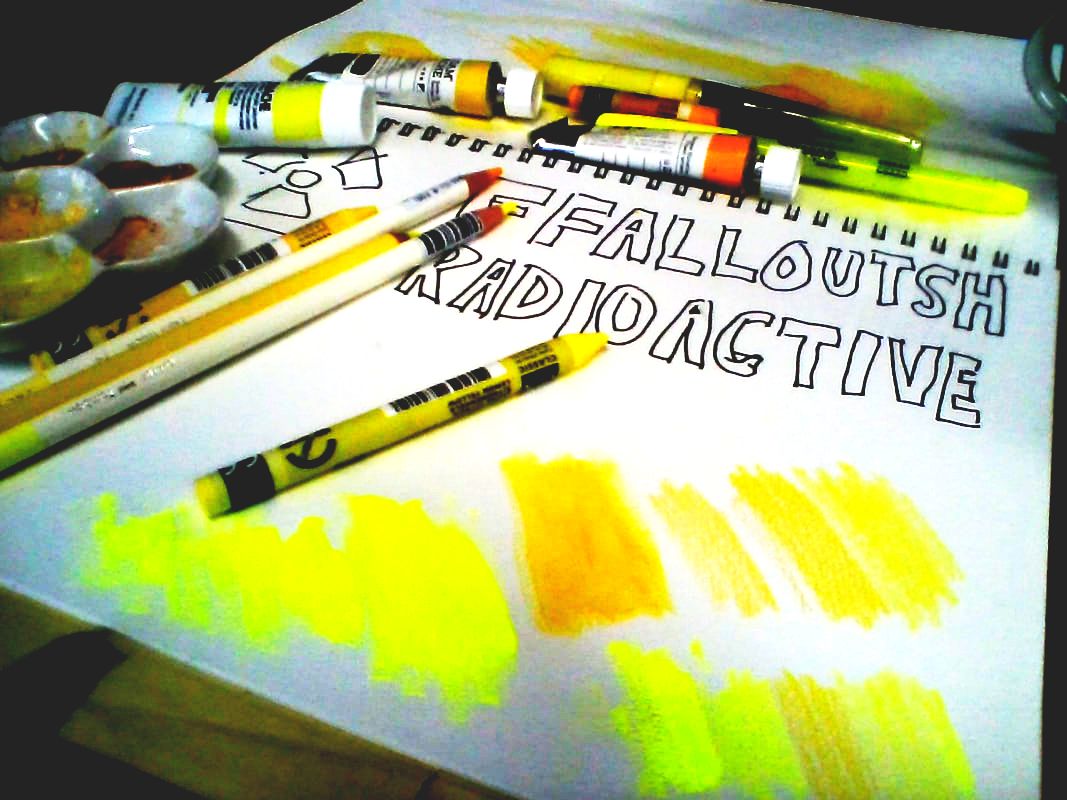
See why I've been buying all the yellows Wet Paint has to offer!
801 Gallery
|
Kelley Meisterartistic musings Archives
February 2024
Categories |

 RSS Feed